

There are road trips, and then there are Classic Mini road trips.
A normal road trip involves sensible things. Air conditioning. Cruise control. Cup holders. A vehicle that was designed after the invention of the cassette tape. Maybe even brakes that remain enthusiastic for the entire journey.
A Classic Mini road trip, however, is something else entirely.
It is not just travel.
It is an agreement between driver, passenger, machine, weather, geography, and whatever tiny British gremlin happens to be rostered on that weekend.
And this particular adventure had everything.
A little sightseeing.
A little history.
A hotel with more character than most modern suburbs.
A tunnel.
A mountain.
Wine.
Beer.
Cheese and crackers.
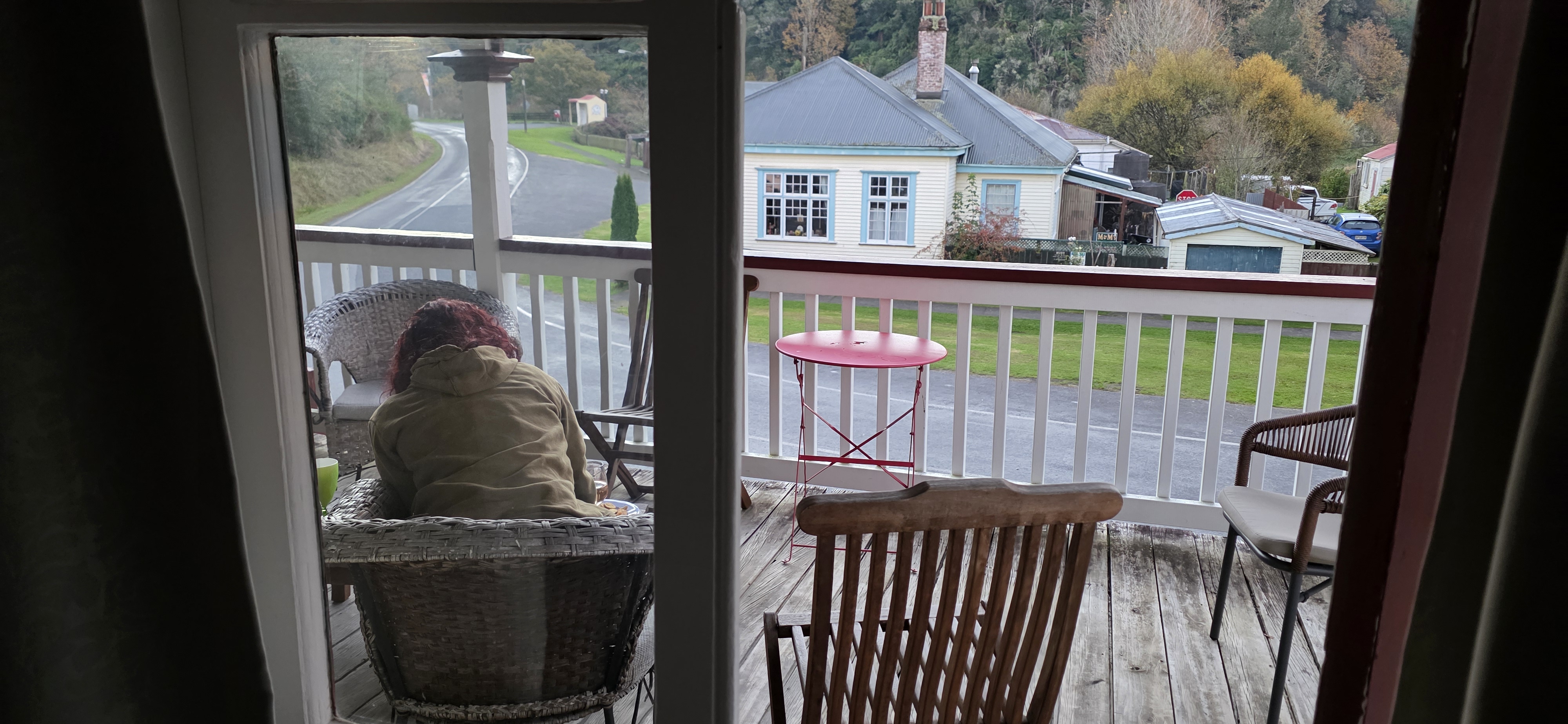
A room with a view.
And, on the way home, the unexpected opportunity to drive 170 kilometres with no brakes.
So yes.
A proper Mini trip.
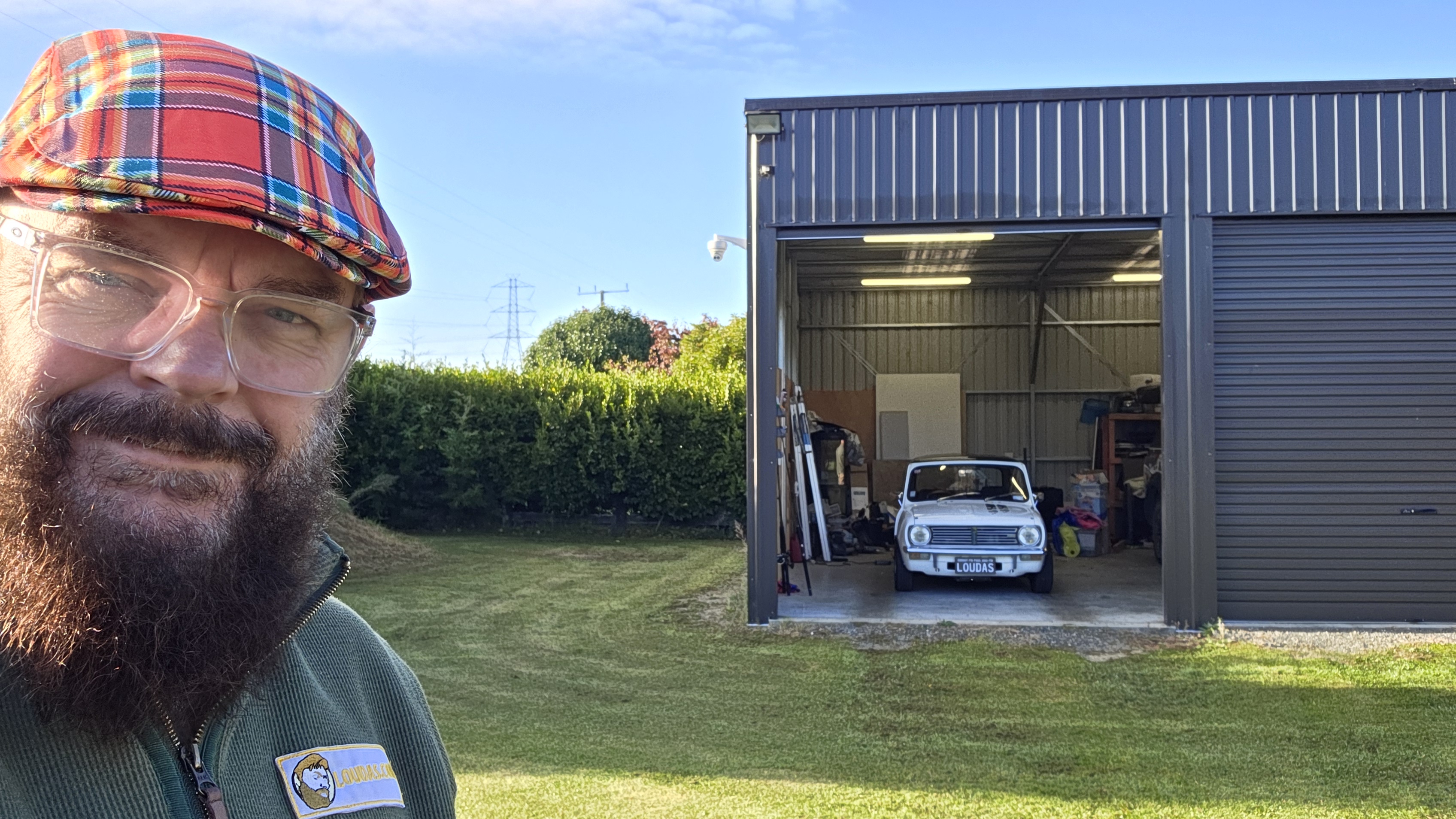
Day One: The Mini Points South
The plan was beautifully simple.
Paul, Robyn, and the Mini would head south through Stratford, stop at the famous Stratford Glockenspiel, then continue on to Whangamōmona for a night at the hotel.
Now, in a modern car, this would be called “a weekend away.”
In a Classic Mini, it is closer to launching a small expedition.
You do not simply leave the driveway. You perform a pre-flight ritual.
Fuel? Probably.
Oil? Worth checking.
Tools? Sensible.
Confidence? Excessive, but required.
The Mini, of course, looked absolutely ready. It sat there with that tiny-car confidence that says, “I may be small, but I contain at least three major plot twists.”
And off we went.
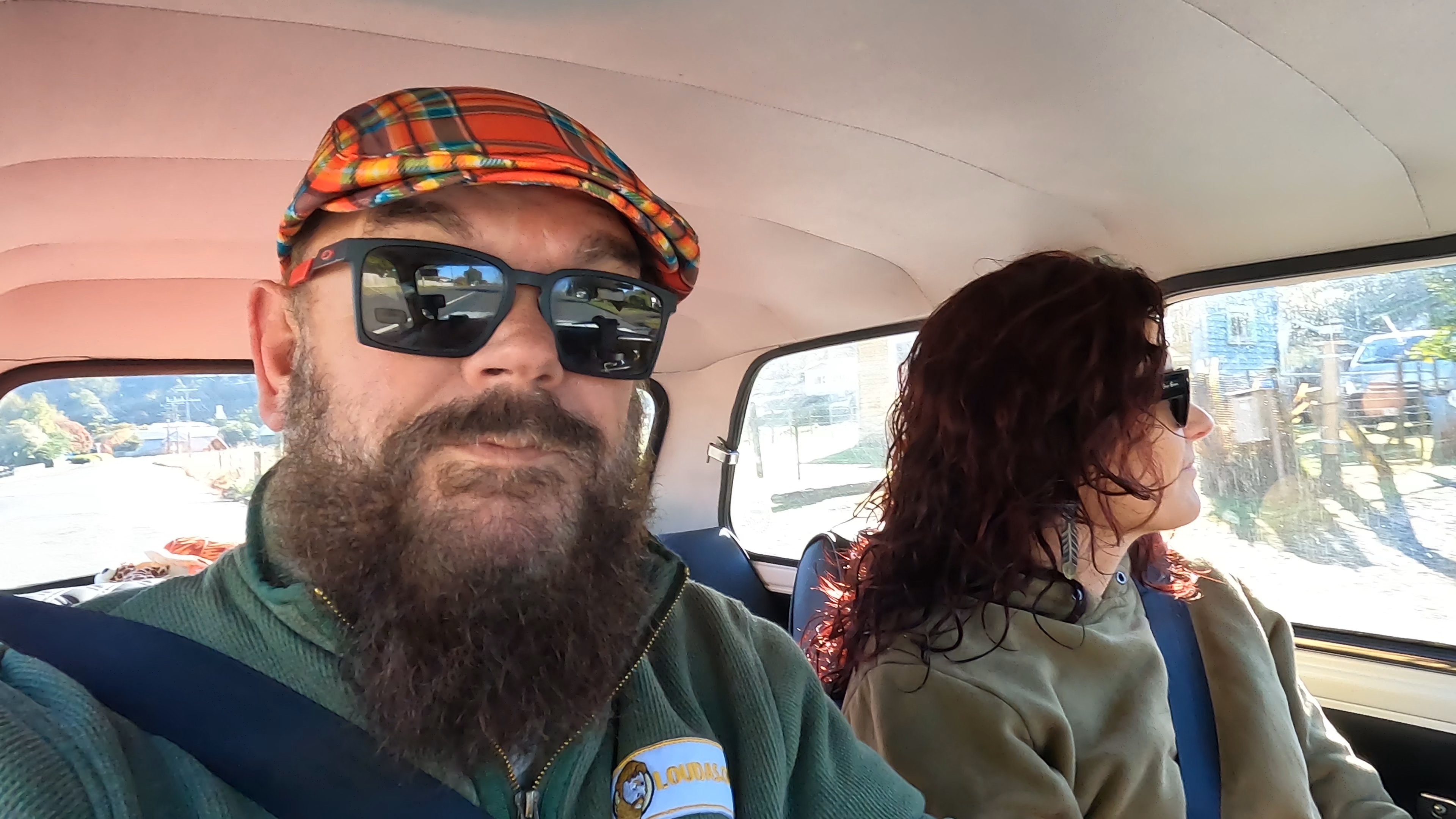
There is something ridiculously joyful about driving a Classic Mini on a proper New Zealand back-road adventure.
You are not isolated from the drive. You are in it.
The steering talks. The engine buzzes away. The road feels close. The corners feel personal. The whole car seems to be wrapped around you like a noisy little go-kart wearing number plates and pretending to be a grown-up.
Every bend feels like an event.
Every hill feels heroic.
Every straight bit feels like the Mini is giving it absolutely everything it has, even if “everything” is not exactly a large number by modern standards.
But that is the magic.
You are not just travelling through the landscape.
You are participating in it.
Stratford and the Glockenspiel
First proper stop: Stratford.
And no visit to Stratford is complete without stopping at the Glockenspiel.
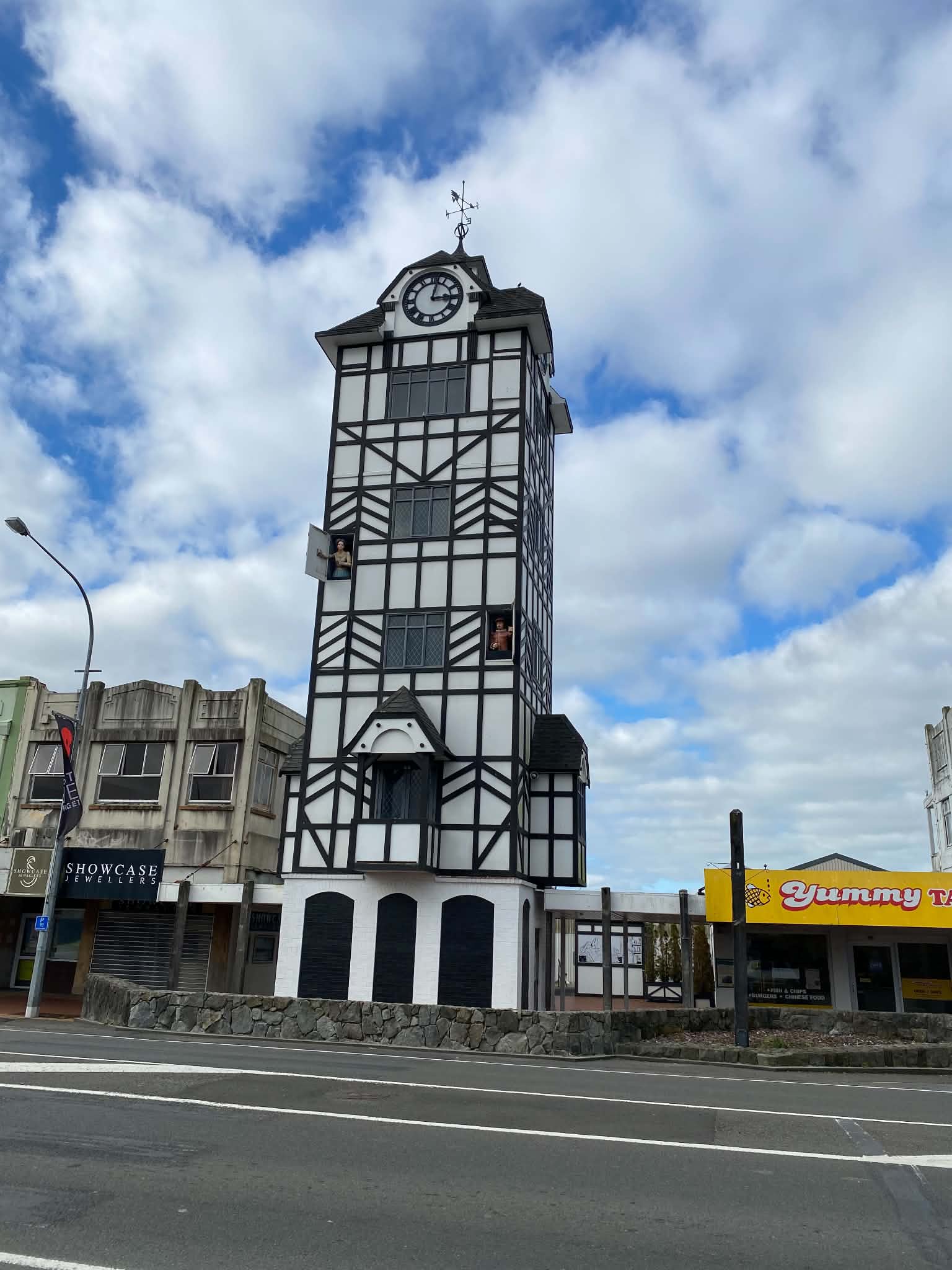
Stratford’s Glockenspiel stands on Broadway in the main street and is proudly described by Stratford District Council as unique to New Zealand. It features Romeo and Juliet, who appear for the balcony scene several times a day, because apparently even Shakespeare knew that small-town New Zealand needed a bit more theatrical machinery in its life. The figures perform after the hour chimes at 10am, 1pm, 3pm, and 7pm.
Naturally, the Mini had to be photographed in front of it.
Because if you take a Classic Mini somewhere interesting and do not photograph it, did the trip even happen?
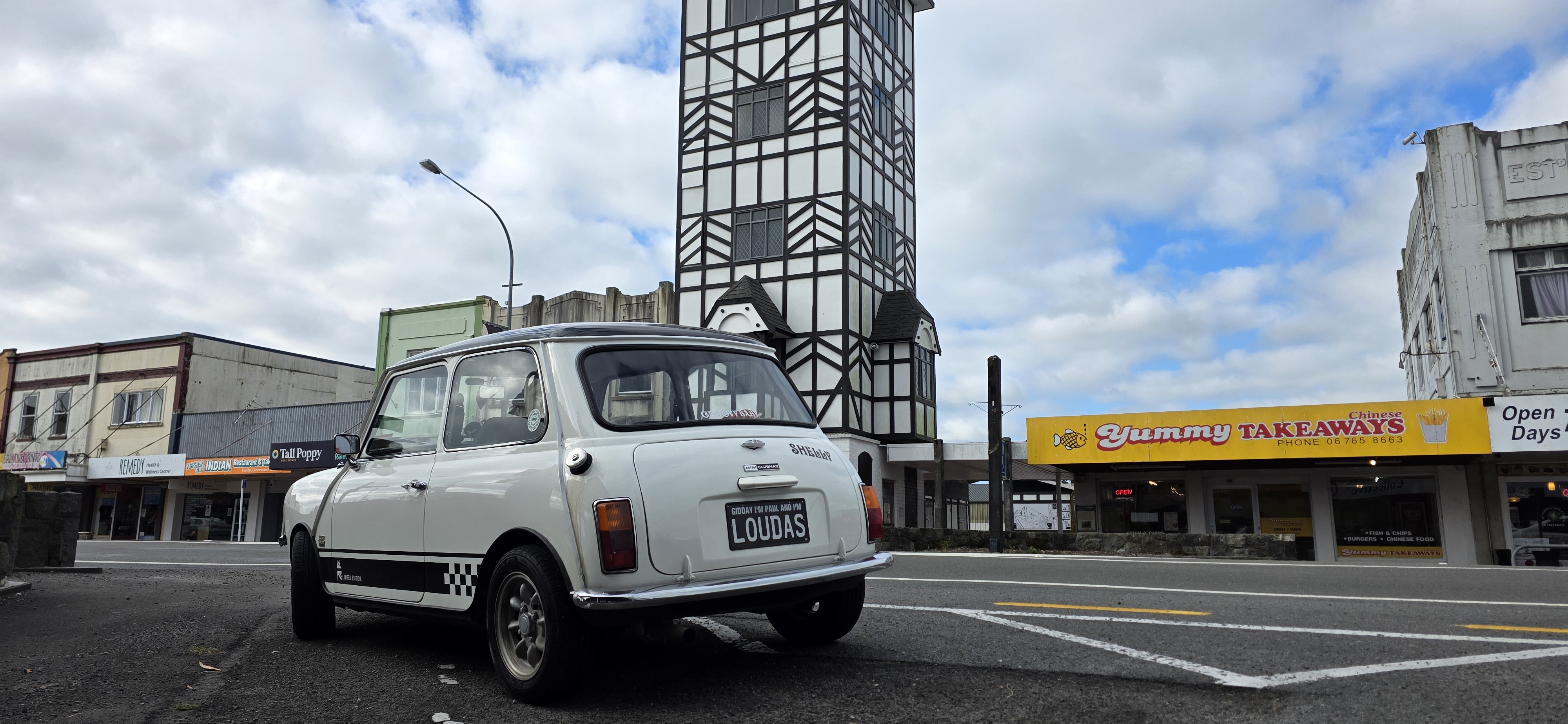
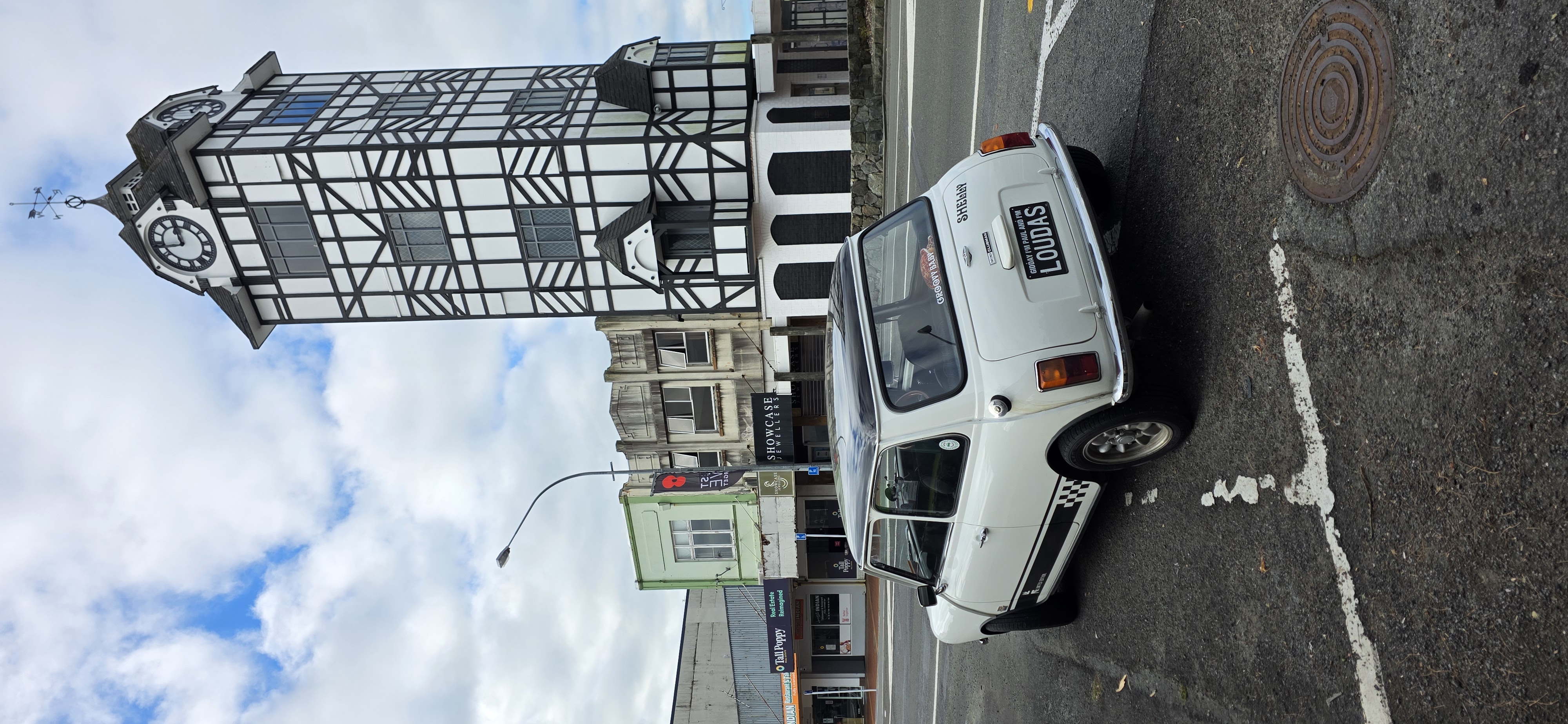
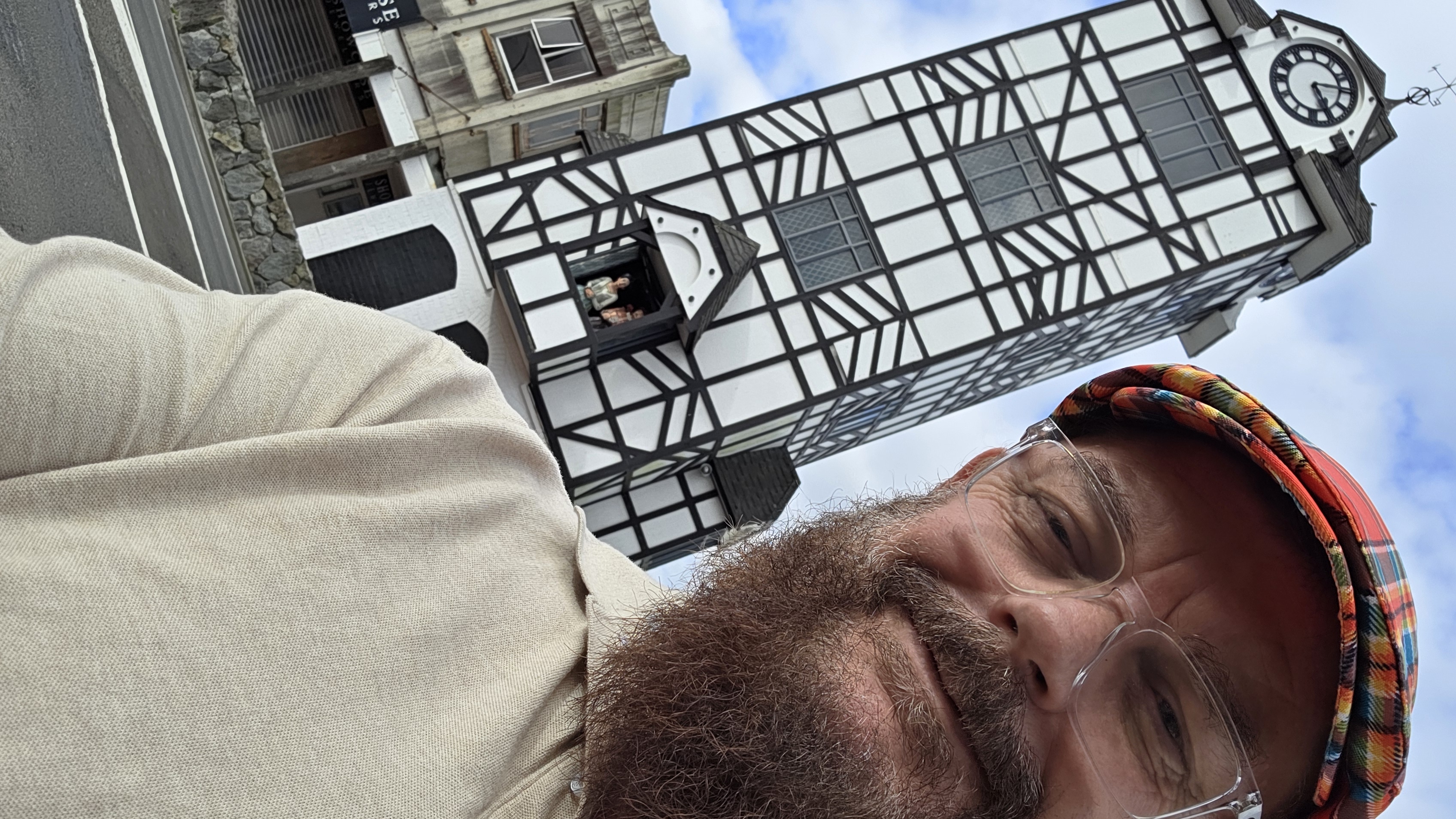
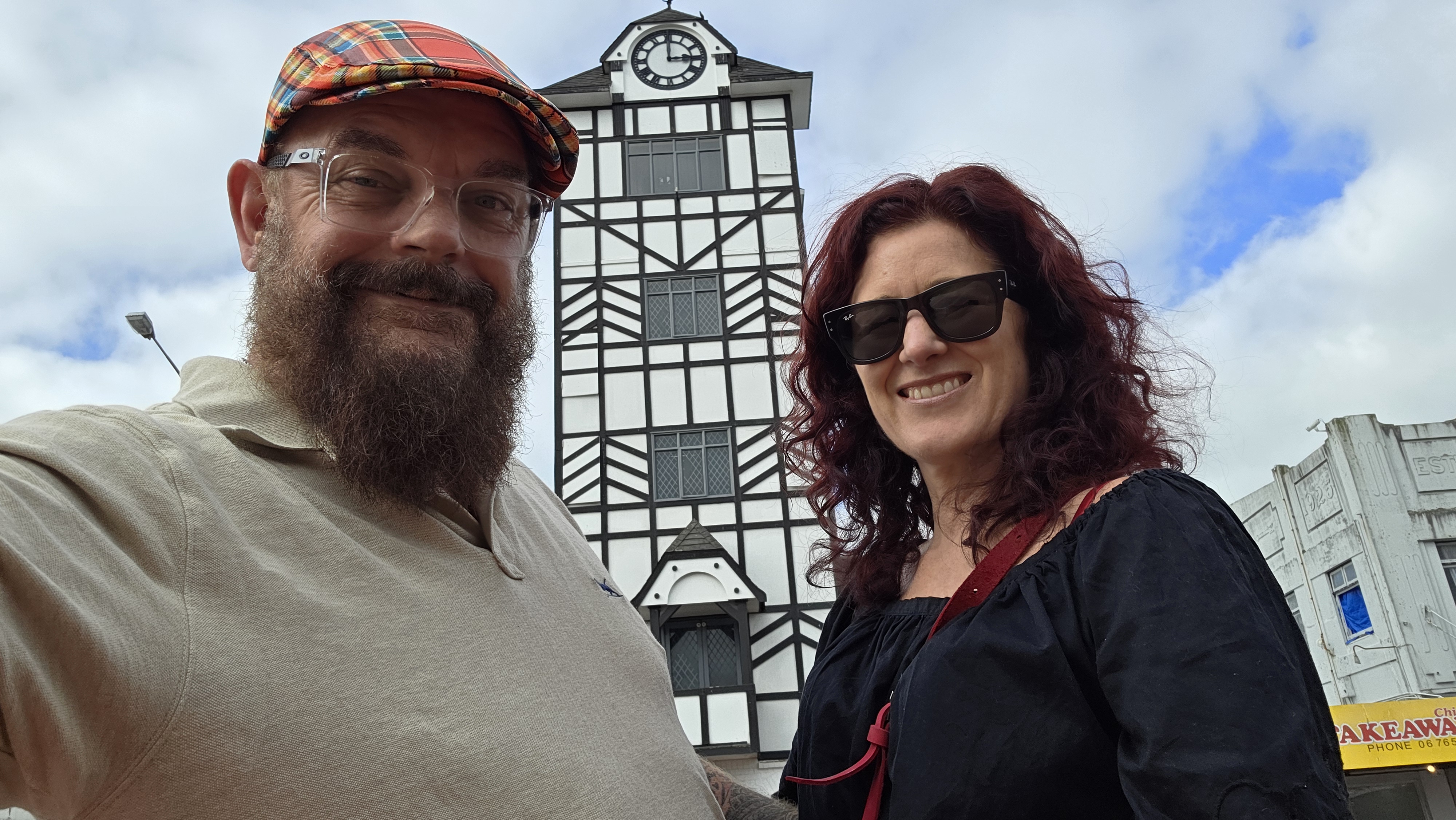
The Glockenspiel is one of those wonderfully odd New Zealand landmarks that makes you glad people occasionally decide to build something just because it is memorable.
A clock tower with Shakespearean figures popping out in Stratford?
Of course.
Why not?
The Mini approved.
Or at least, it did not leak anything obvious while we were there, which is basically the same thing.
Into the Forgotten World
From Stratford, we pointed the Mini toward Whangamōmona.
This is where the drive really becomes special.
The road out that way feels made for a classic car. Not because it is easy. Not because it is fast. Not because it is relaxing in the modern, silent, climate-controlled sense.
But because it has shape.
It has corners. It has climbs. It has views. It has that slightly adventurous feeling that the world has become narrower, greener, windier, and more interesting.
The Mini absolutely belongs on roads like that.
Modern cars may be quicker, quieter, safer, and far less likely to require a parts order after the weekend, but a Mini makes a drive feel alive.
It bounces and chatters and hums and darts along, turning ordinary kilometres into tiny mechanical memories.
And then there was Mount Taranaki, casually appearing in the background like it had been booked specially for the trip.
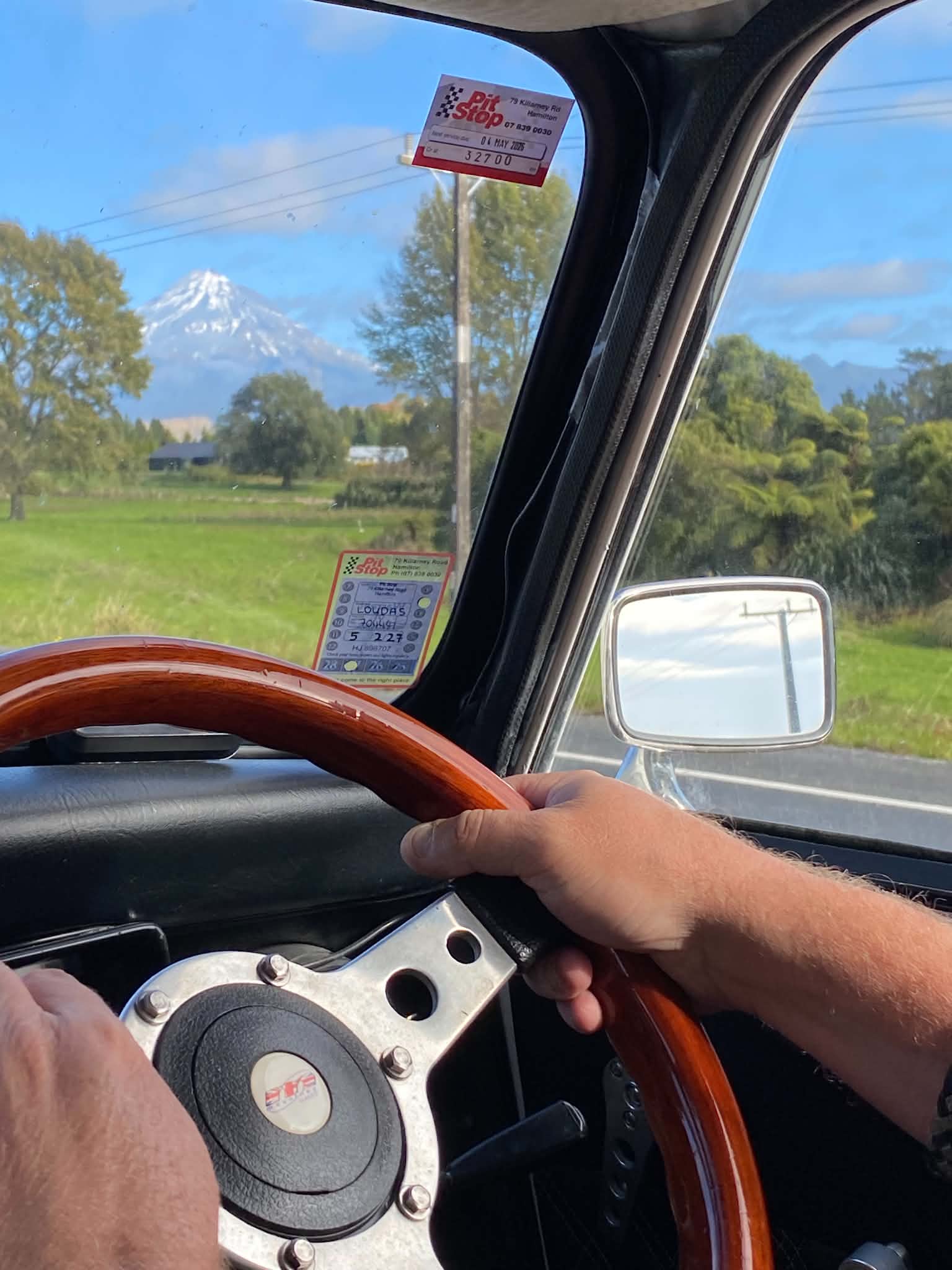
Somewhere along the way, the road trip feels properly settled in.
That lovely sense of being away from the normal routine.
The Mini doing Mini things.
The scenery doing scenery things.
And both of us pretending not to listen too closely for any new noises from under the bonnet.
Arrival in the Republic
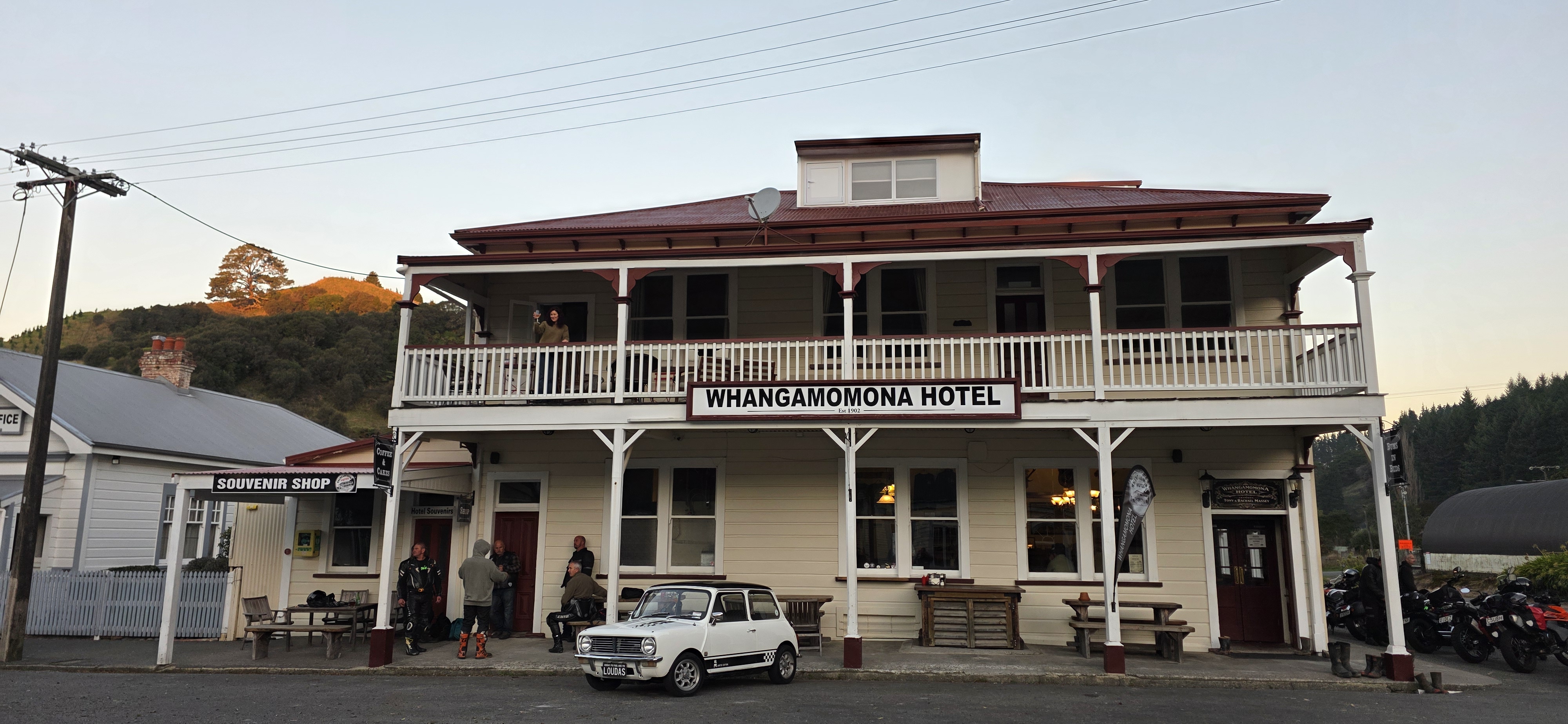
Eventually, we rolled into Whangamōmona.
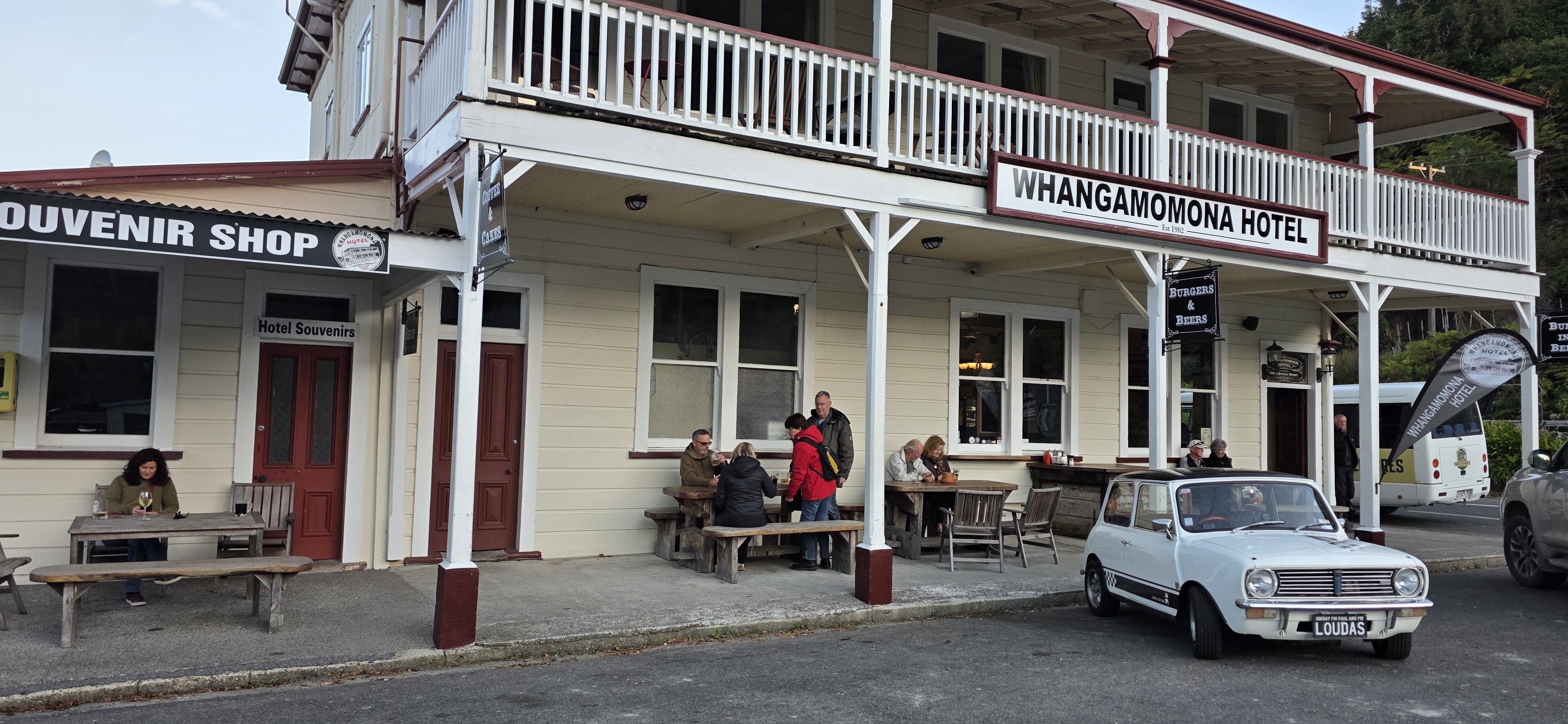
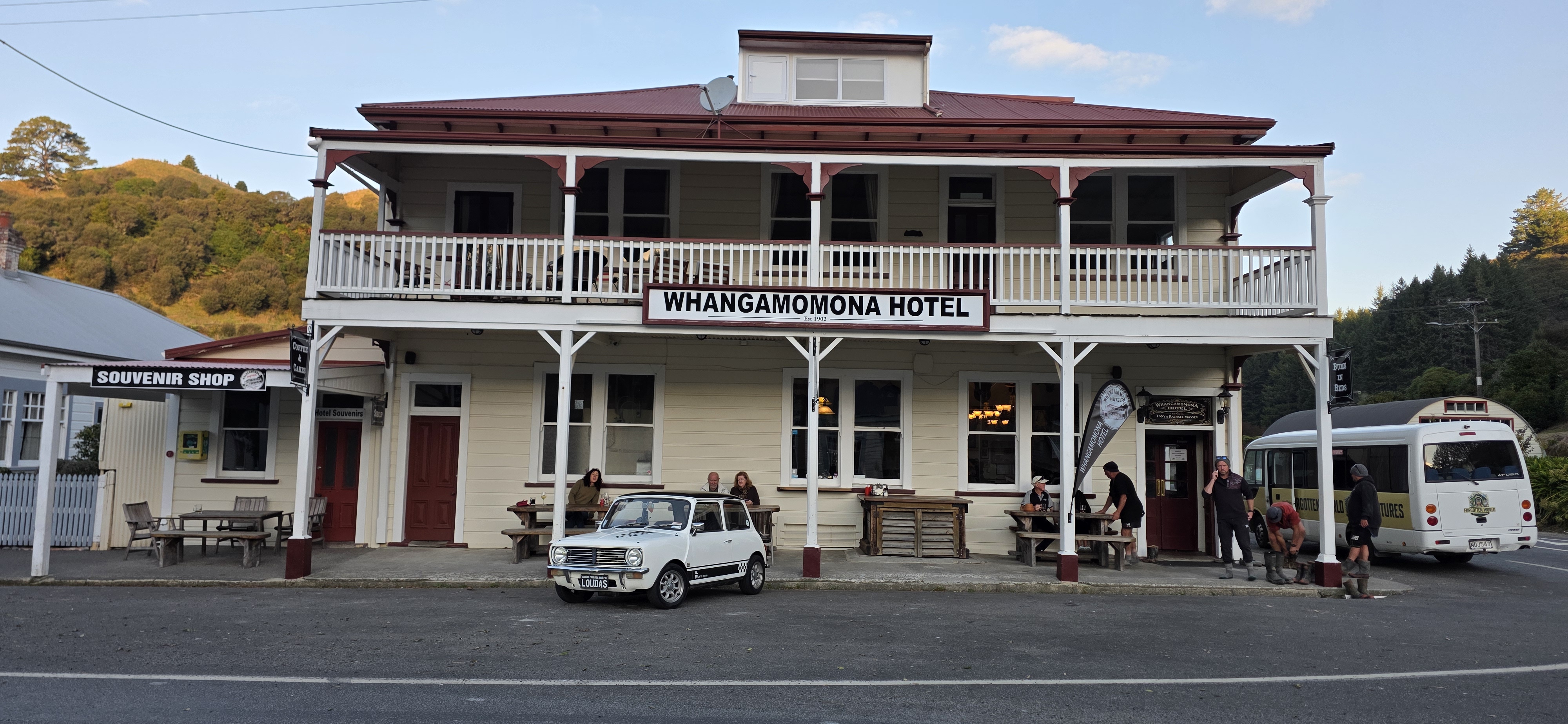
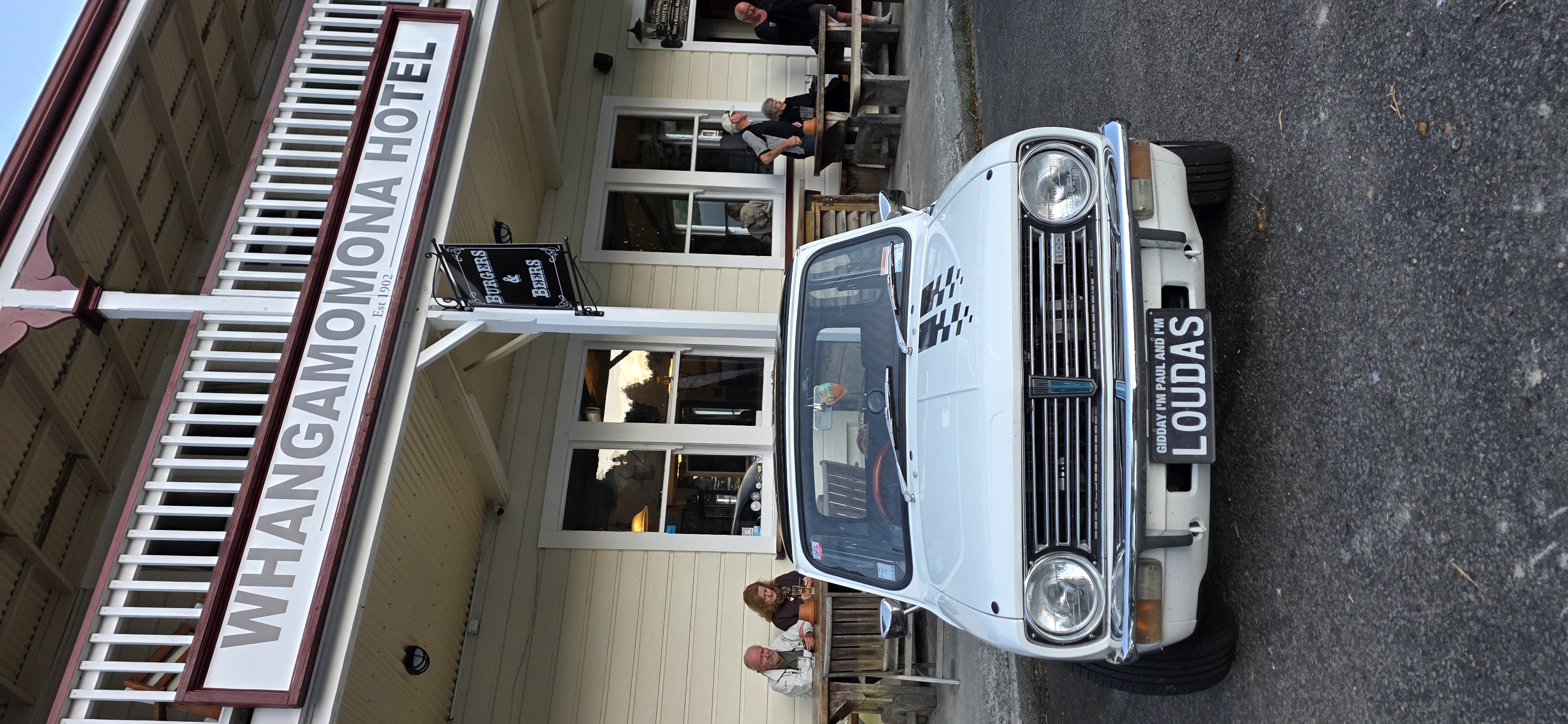
Whangamōmona is not just a place. It is a mood.
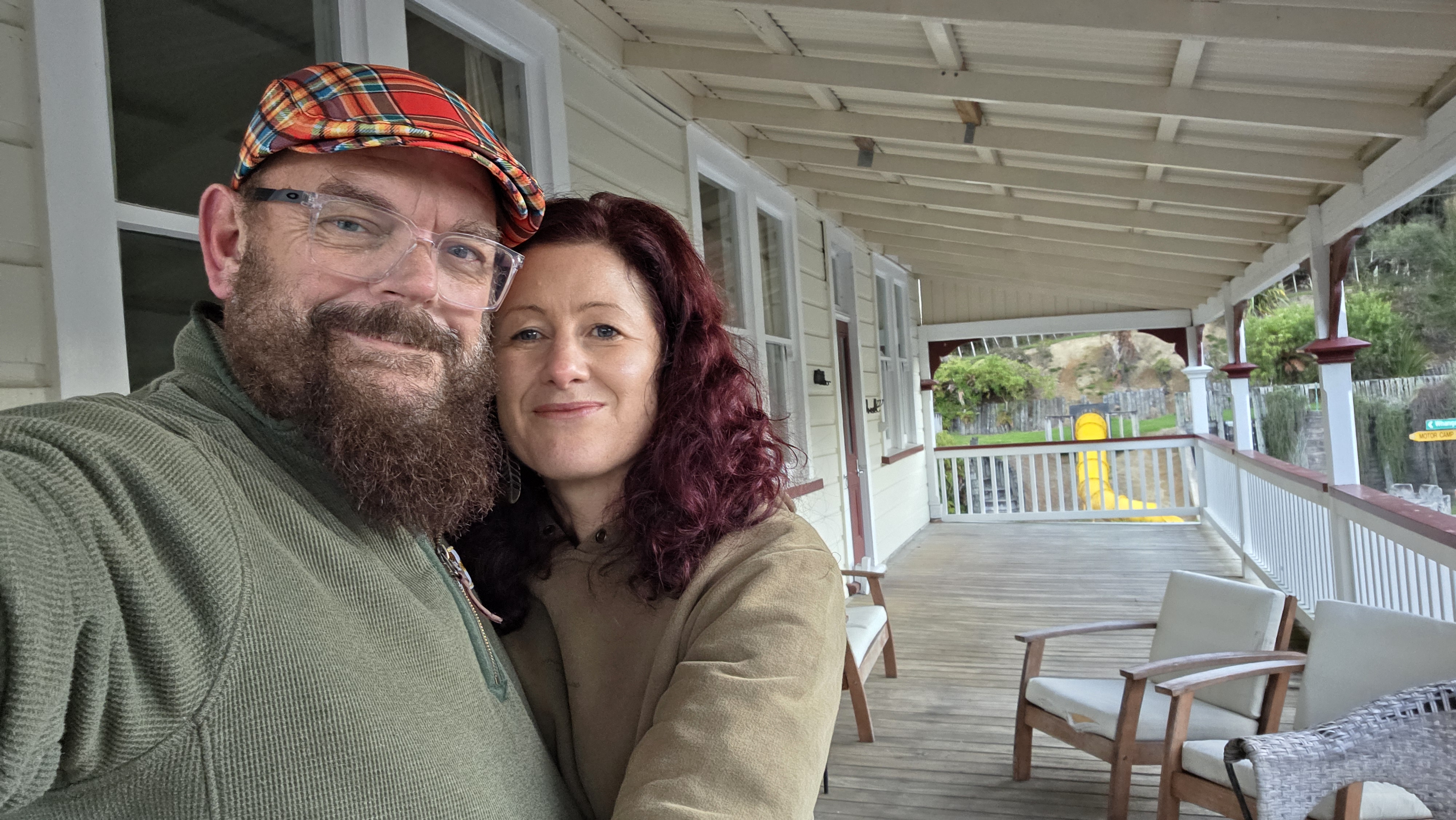
A small settlement, tucked into the landscape, with a hotel that feels like it has seen everything, heard everything, and probably judged a few tourists quietly from the verandah.
The Whangamōmona Hotel has serious history. The current hotel was built in 1912, after the first hotel was destroyed by fire in 1911. According to the hotel’s own history, only the kitchen coal range survived the fire, and it was later incorporated into the new hotel design.
That is exactly the sort of detail you want from a historic country hotel.
A fire.
A rebuild.
A coal range survivor.
Memorabilia on the walls.
A Republic.
A pub.
And now, importantly, a Classic Mini parked proudly outside like it had just completed a stage of the Monte Carlo Rally.
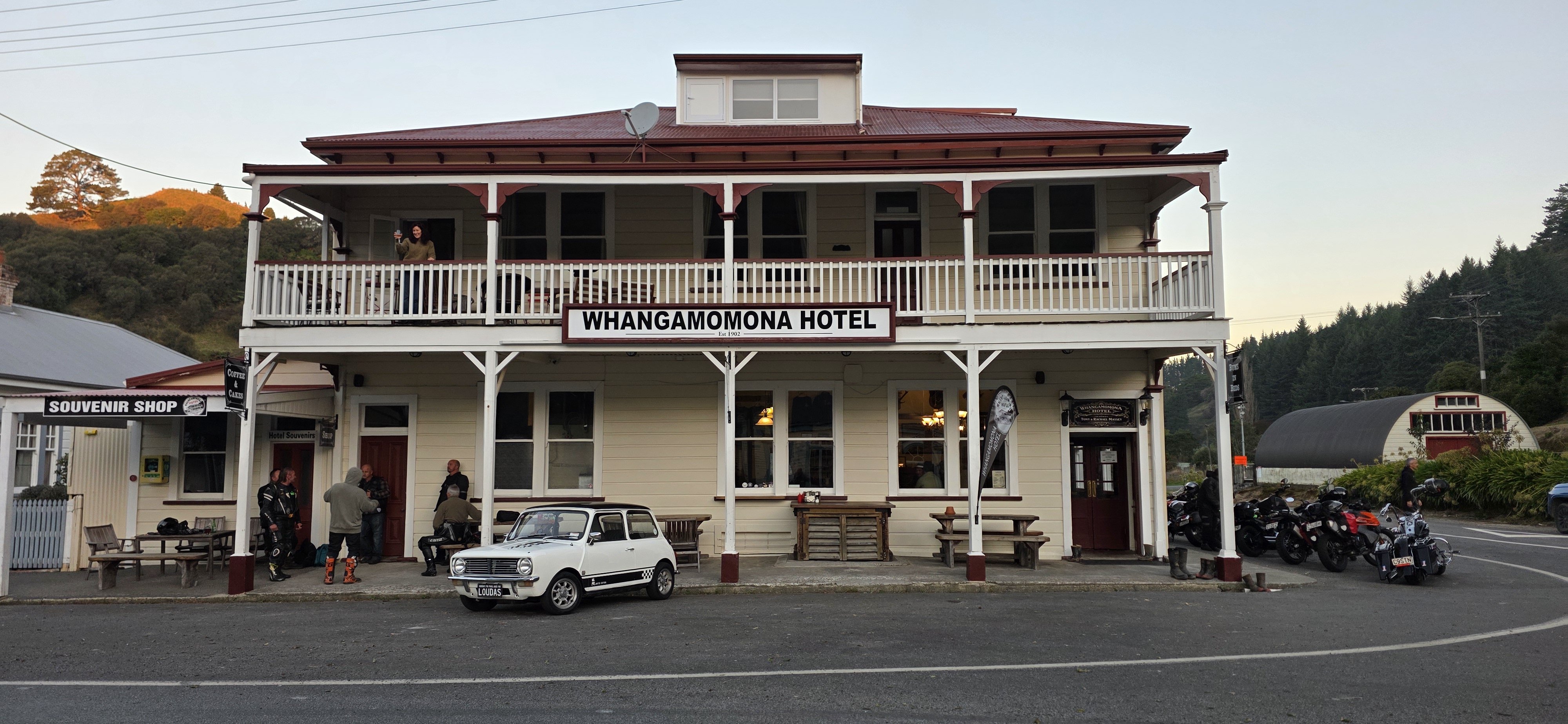
The Republic of Whangamōmona
Whangamōmona famously declared itself a Republic in 1988 after local government boundary changes shifted part of the district away from Taranaki and into Manawatu. The locals, displaying exactly the correct level of rural stubbornness, responded by declaring independence.
This is deeply New Zealand.
Not happy with a boundary change?
Become a Republic.
Perfect.
The hotel says Republic Day celebrations can swell the village from around 40 people to around 3000, with events such as sheep races, gumboot throwing, whip cracking, and presidential elections. Past presidents have included humans, a goat called Billy the Kid, and Tai the Poodle.
You have to respect a place where the political system has included a poodle.
That is democracy with character.
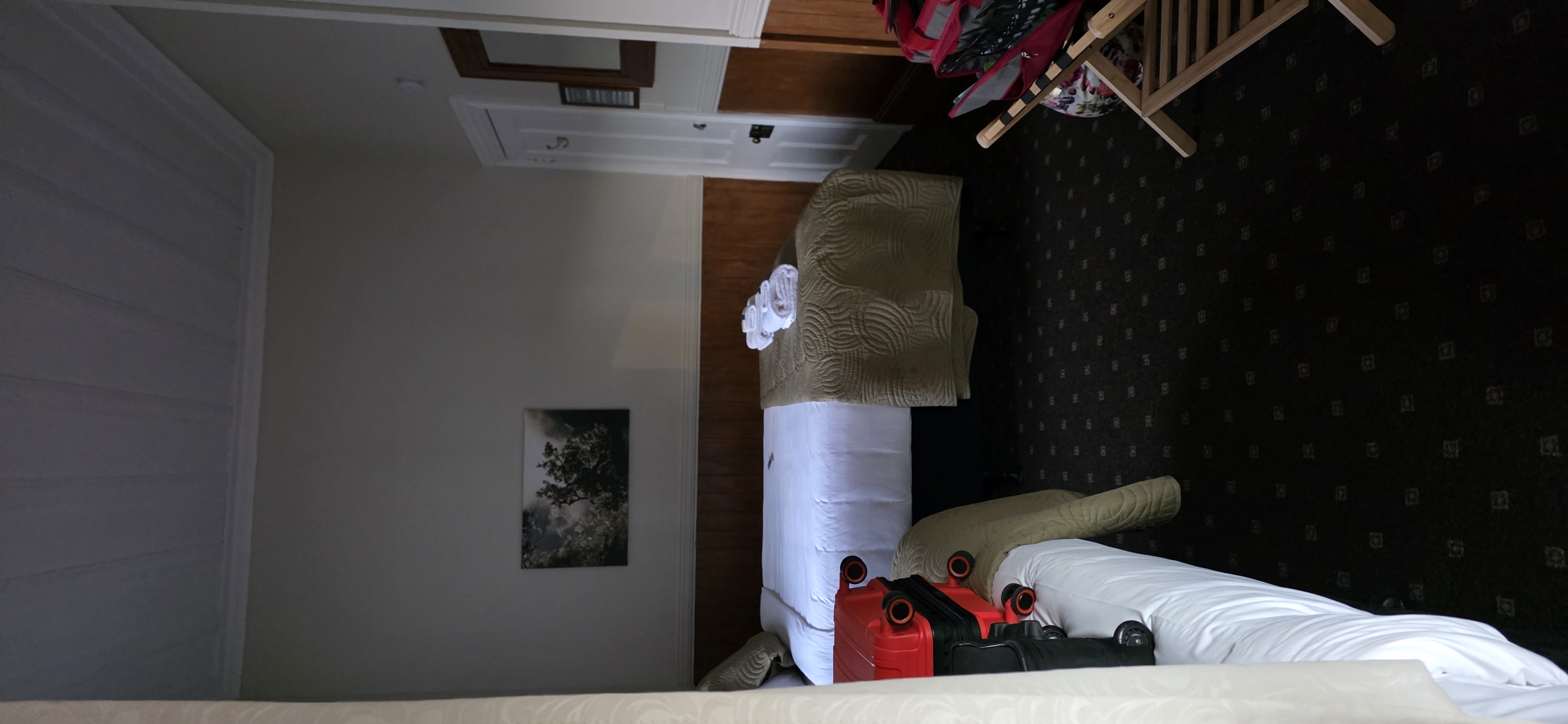
We settled into the hotel, and the Mini got to rest outside after a hard day of being adorable and mechanically dramatic.
Evening at the Hotel
There are few things better than finishing a proper drive at a proper country hotel.
Not a sterile motel.
Not a modern box with grey carpet and motivational art.
A real hotel.
One with history.
One with timber.
One with stories.
One where you feel like if the walls could talk, they would probably say, “You should have seen Republic Day.”
So we did the sensible thing.
We relaxed.
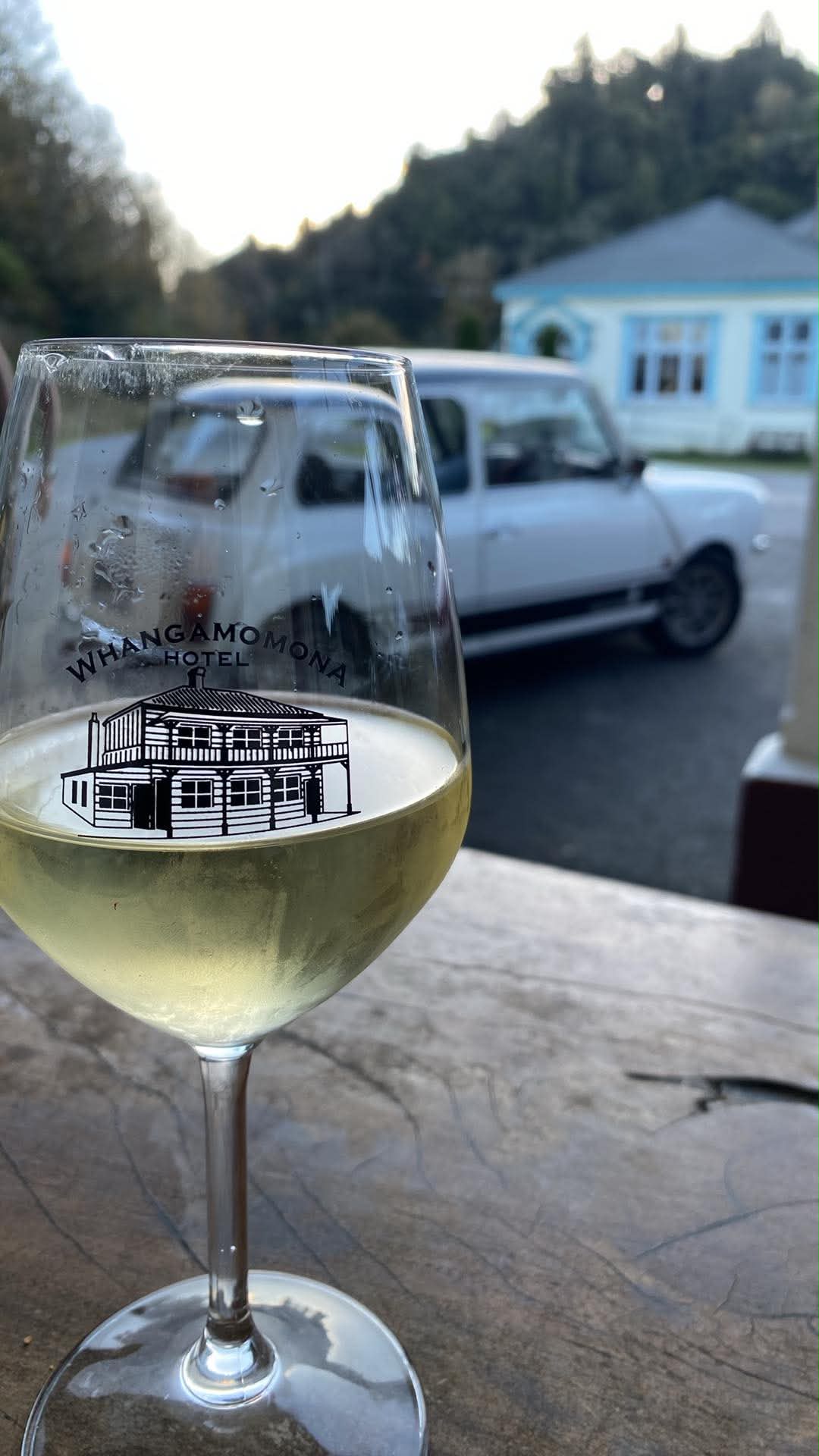
There was wine.
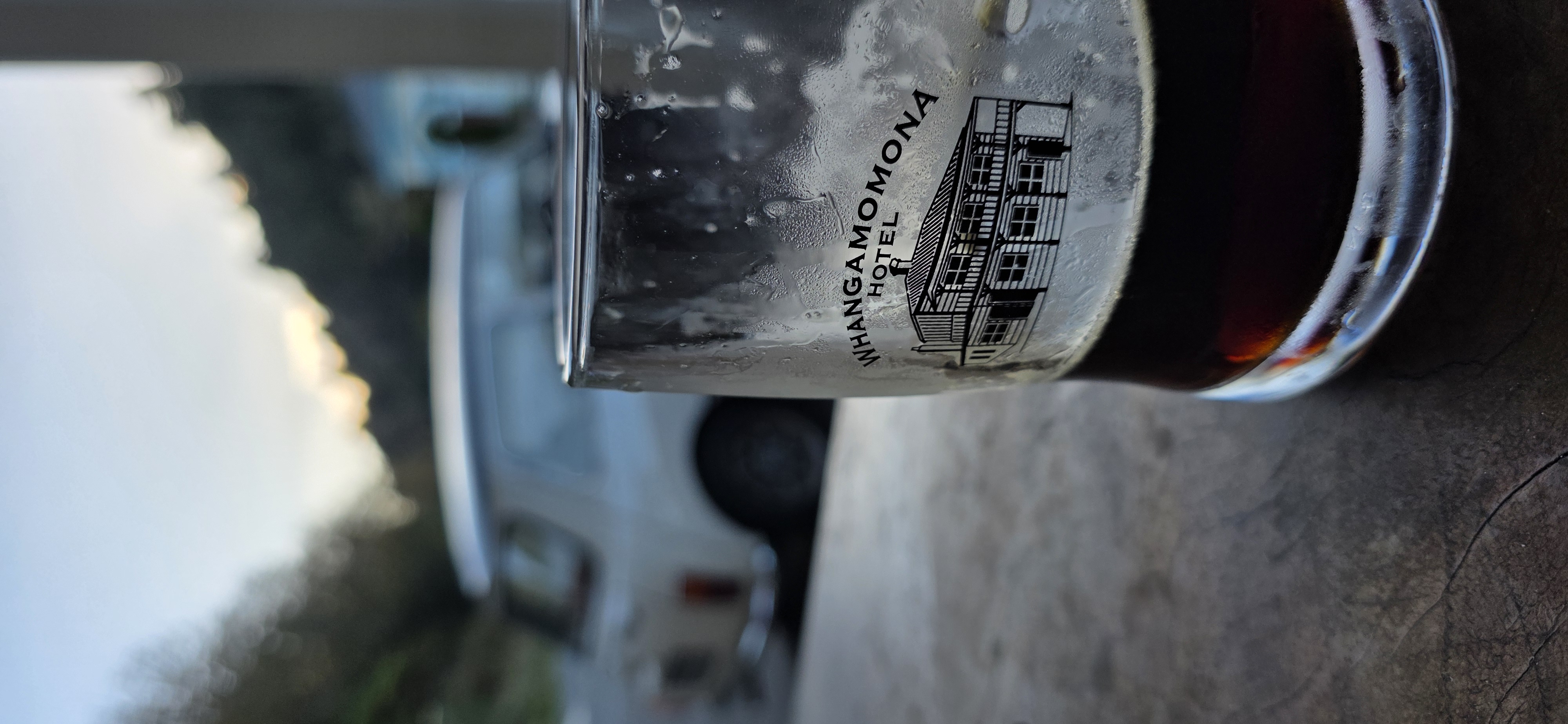
There was beer.
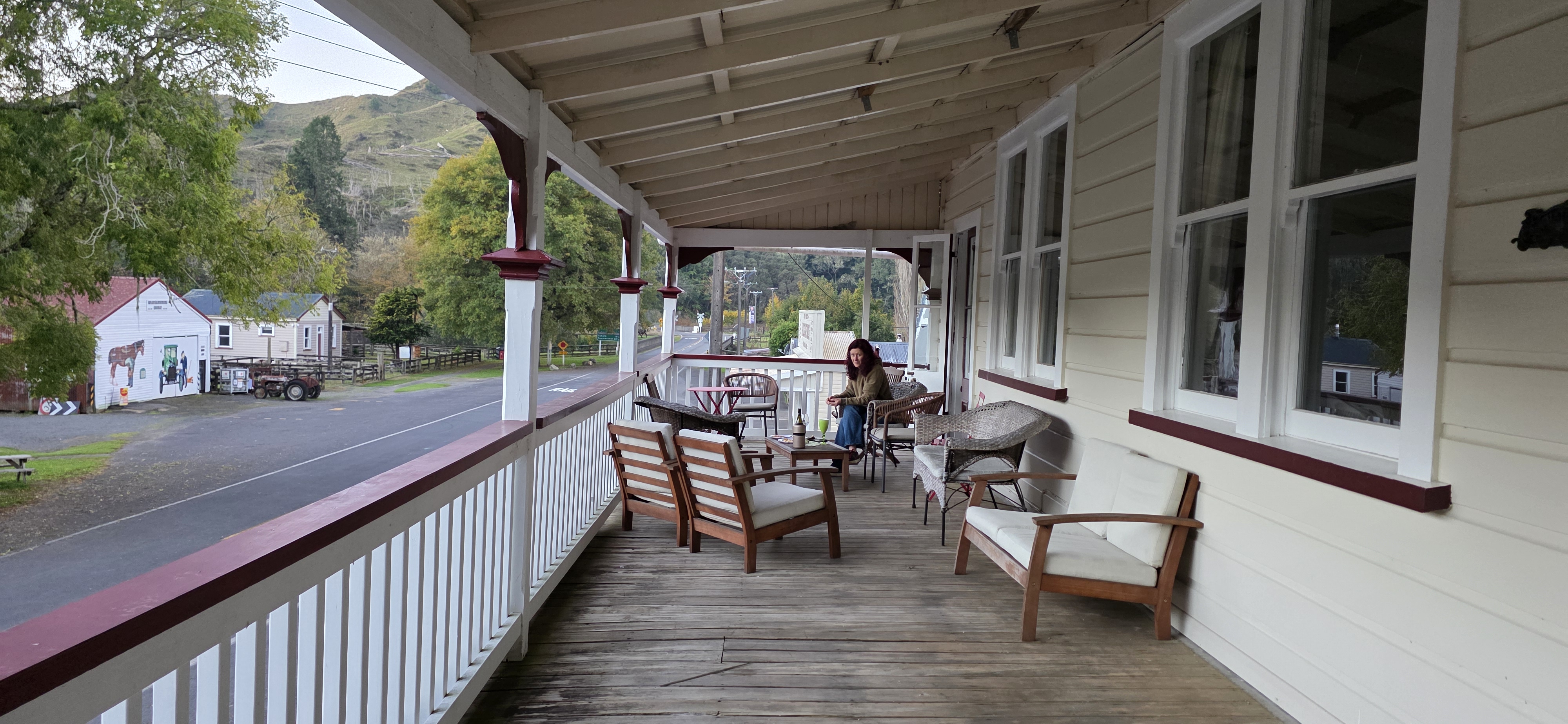
There were cheese and crackers outside, which is basically fine dining if you are on a Mini adventure.
And the Mini sat nearby, probably cooling down, possibly plotting.
That is the thing with classic cars. Even when they are parked, you are never entirely sure they are finished contributing to the story.
At this point, though, everything felt perfect.
The drive had been brilliant.
The hotel was fantastic.
The scenery was stunning.
The Mini had behaved.
Mostly.
Which, for a 1975 Classic Mini, is practically a written endorsement.
Monday: Homeward Bound
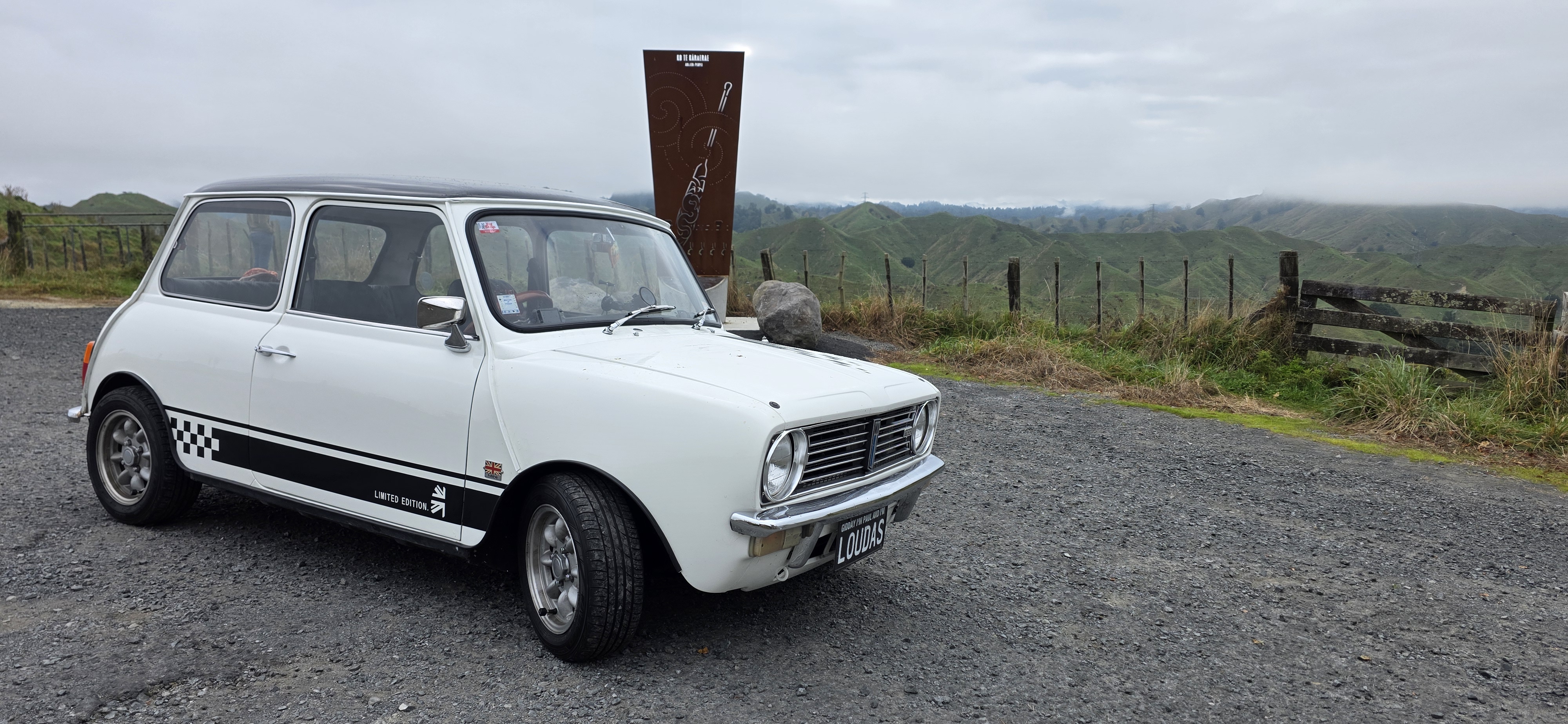
Monday morning arrived.
The Mini was ready.
We were ready.
The road home was waiting.
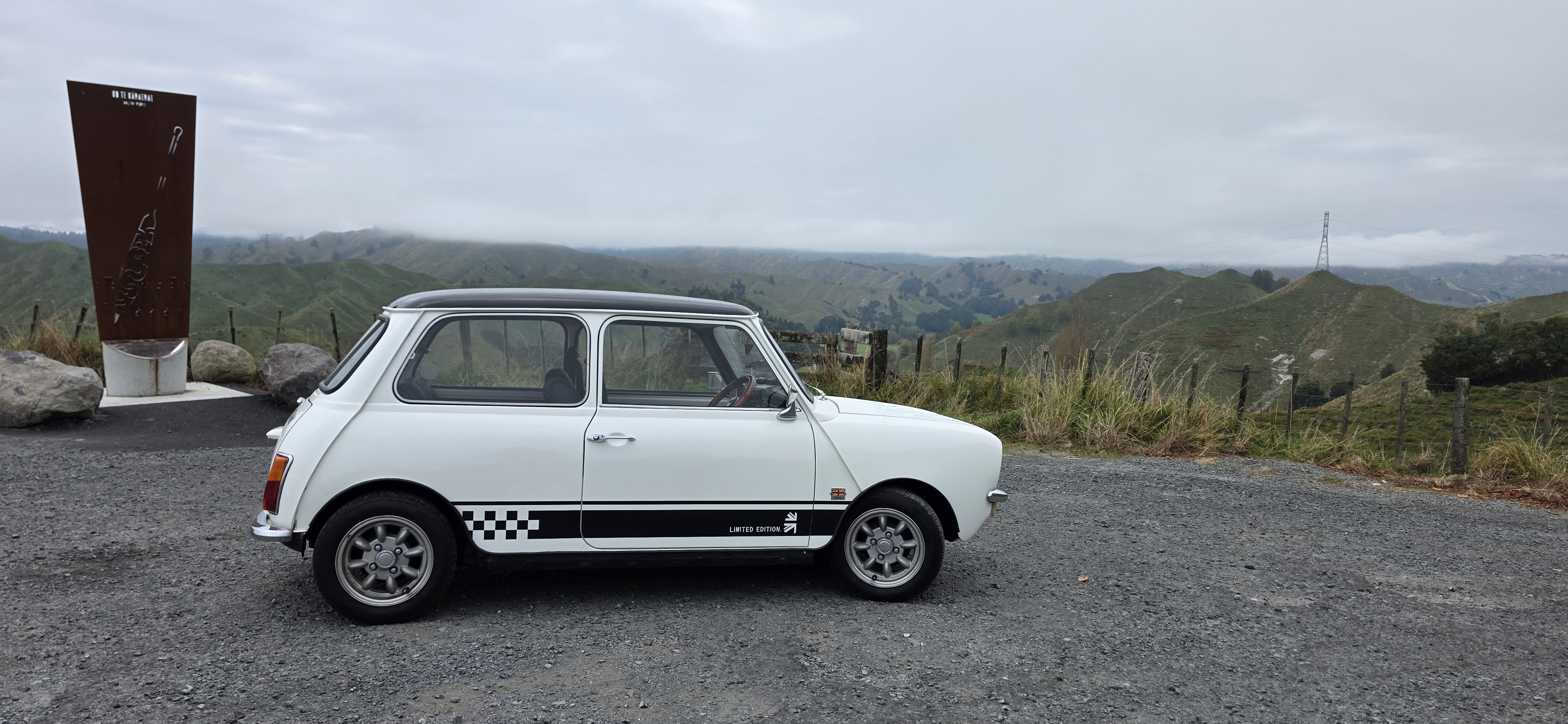
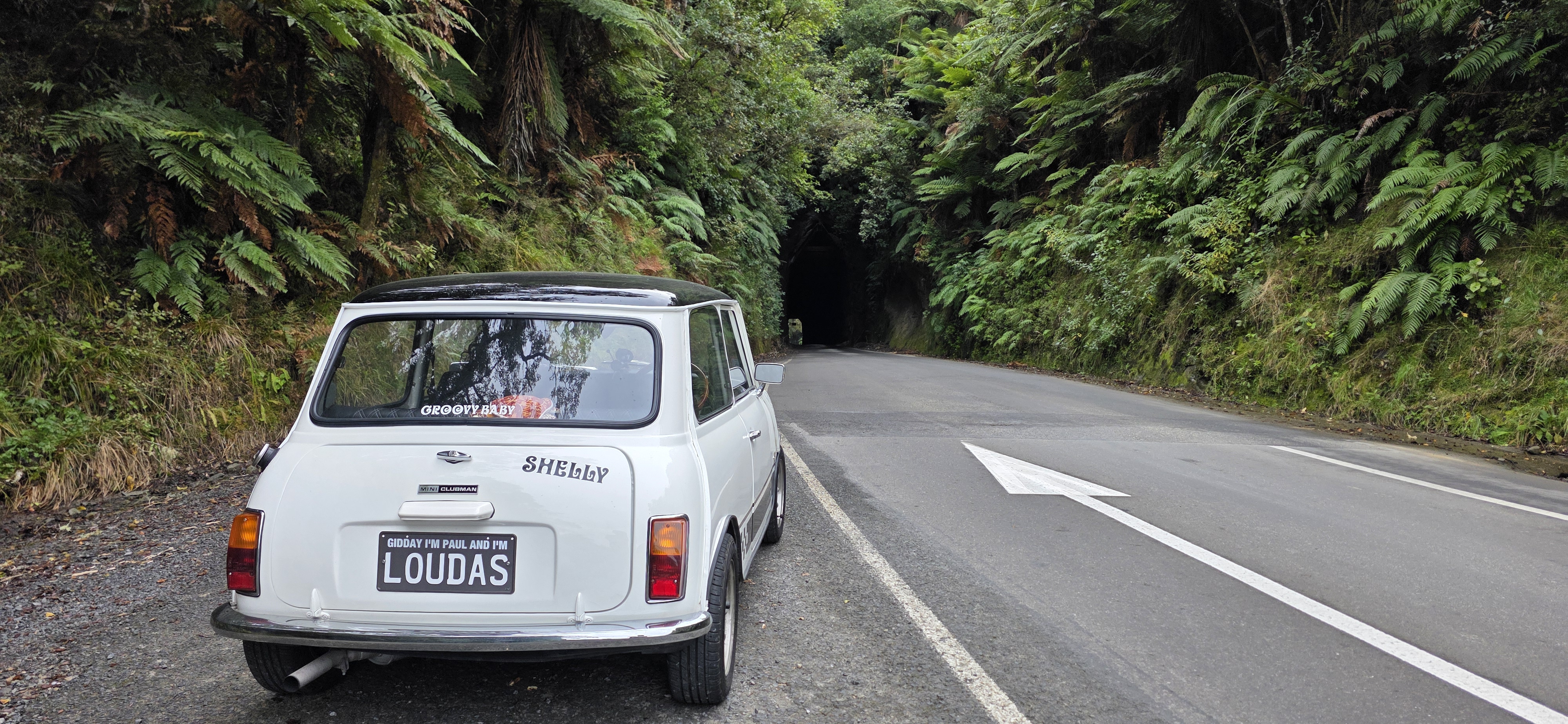
There is something very satisfying about the second day of a road trip.
You are not quite finished, but you are no longer just setting out. You have already collected stories. You have photos. You have a hotel memory. You have eaten cheese and crackers with the quiet confidence of people who know they are living correctly.
And the Mini, once again, was in its element.
On these roads, it is impossible not to grin.
The whole car feels eager. Light. Honest. Mechanical. There is no touchscreen asking you to accept updated terms and conditions. No lane assist gently panicking. No software arguing with your steering inputs.
Just a tiny steering wheel, a tiny car, and a very large amount of charm.
Driving a Classic Mini is not comfortable in the way modern cars are comfortable.
It is better than that.
It is involving.
You feel the road. You hear the engine. You become aware of gradients, cambers, wind, corners, and the fact that every successful kilometre is something of a team effort.
It turns driving from a background task into the main event.
And then, because the Mini clearly felt the blog post needed a stronger third act, the brake master cylinder stopped working.
The Brake Pedal Becomes a Suggestion
There are moments in classic car ownership where time slows down slightly.
A strange noise.
A warning smell.
A sudden silence.
Or, in this case, a brake pedal that no longer seems particularly committed to the concept of stopping.
The brake master cylinder had stopped doing its job.
Which is unfortunate, because stopping is one of the more popular features of a car.
Especially when you are 170 kilometres from home.
In a modern car, this would be a crisis.
In a Classic Mini, it is still a crisis, but somehow also part of the relationship.
The Mini had given us a wonderful weekend. Beautiful roads. Great photos. A night at the Whangamōmona Hotel. Views. Character. Joy.
Then, just to keep things balanced, it removed the brakes.
Not all the drama.
Just the stopping part.
So we had to make it home.
170 kilometres.
No brakes.
This is not a recommended travel technique.
It is, however, very effective at focusing the mind.
Suddenly you become extremely interested in things like distance, gears, hills, traffic, intersections, and the ancient art of planning ahead.
You do not “drive” so much as negotiate.
Every corner is considered.
Every slowdown is prepared for.
Every gap is appreciated.
Every clear stretch of road feels like a gift.
And the Mini, to its credit, kept going.
Because that is what these little cars do.
They may complain. They may rattle. They may occasionally delete an entire system from the available controls. But they keep going with a kind of stubborn little determination that is hard not to admire.
Back Home, Mostly Victorious
Eventually, we made it home.
Safely.
Relieved.
Slightly more knowledgeable about engine braking than we had been before.
And possibly with a renewed appreciation for the brake master cylinder, which is one of those parts you do not think about until it decides to become the main character.
On Monday afternoon, I contacted Scott at Classic Mini Spares again to order replacement parts.
Again.
There is a pattern forming here.
But honestly, that is part of the joy.
Classic Mini ownership is not like owning a modern car. It is not a quiet appliance that sits outside and performs transport duties with no personality.
It is a rolling story machine.
Sometimes the story is “we drove through Stratford and saw the Glockenspiel.”
Sometimes the story is “we stayed at the Whangamōmona Hotel and had cheese and crackers outside.”
Sometimes the story is “the brake master cylinder gave up and we drove 170 kilometres home with no brakes.”
And somehow, all of those stories make the car better.
Not more practical.
Not more sensible.
Definitely not cheaper.
But better.
Why We Keep Doing This
A Classic Mini has a way of making everything feel like an adventure.
A quick drive becomes a memory.
A photo stop becomes a calendar candidate.
A country pub becomes a destination.
A minor mechanical issue becomes a chapter.
A major mechanical issue becomes a slightly nervous chapter with parts ordered afterwards.
But when the road is winding, the scenery is good, the engine is buzzing away, and that tiny car is dancing through the corners like it weighs about as much as a suitcase full of enthusiasm, it all makes sense.
This is why people love classic cars.
Not because they are perfect.
Because they are not.
Perfection would be boring.
A Classic Mini gives you joy with texture.
It gives you noise, smell, vibration, effort, charm, and the occasional mechanical plot twist.
It turns a two-day trip into a proper adventure.
It turns Stratford into a photo opportunity.
It turns Whangamōmona into a memory.
It turns a brake failure into a parts order and a story.
And when you finally get home, park it up, and look back at the photos, you do not think, “I should have taken a modern car.”
You think:
“What a brilliant little machine.”
Then, shortly after that, you think:
“I should probably fix the brakes.”
Thanks Scott for the parts LOL 😂
Great story, been there done that in our 1970 mini 850. Only 60k from new purchased at 43k in 2012. ex Christchurch. Trips to Westcoast, Dunedin, back home to Tauranga several times, now resident at Papamoa.
Well written makes me feel I should go again.